
Trivia question for Nov-07-2011
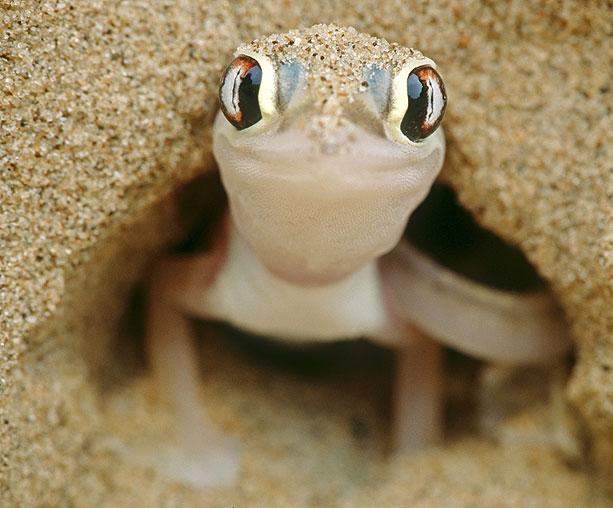
These guys use various clicks, squeaks, croaks, and other sounds to frighten attackers. The second defense is to break off its tail like all other geckos and flee to safety.
Trivia question for Nov-06-2011
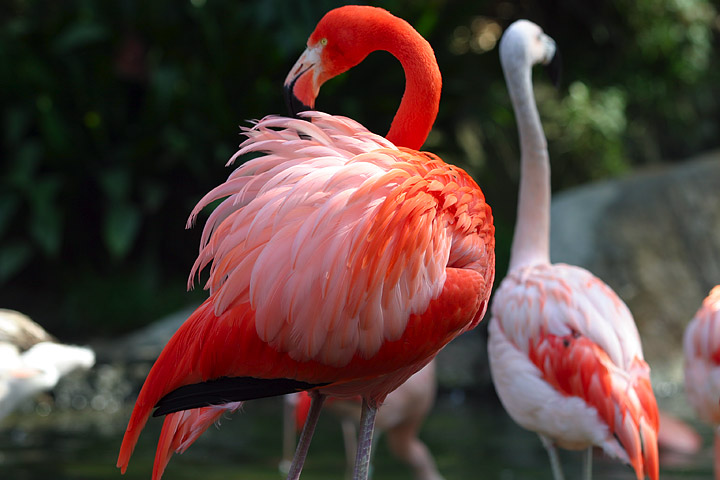
These birds resides in mudflats and shallow coastal lagoons with salt water. Using its feet the birds stir up the mud, then sucks water through its bill and filters out small shrimp, seeds, blue-green algae, microscopic organisms and mollusks.
Trivia question for Nov-05-2011
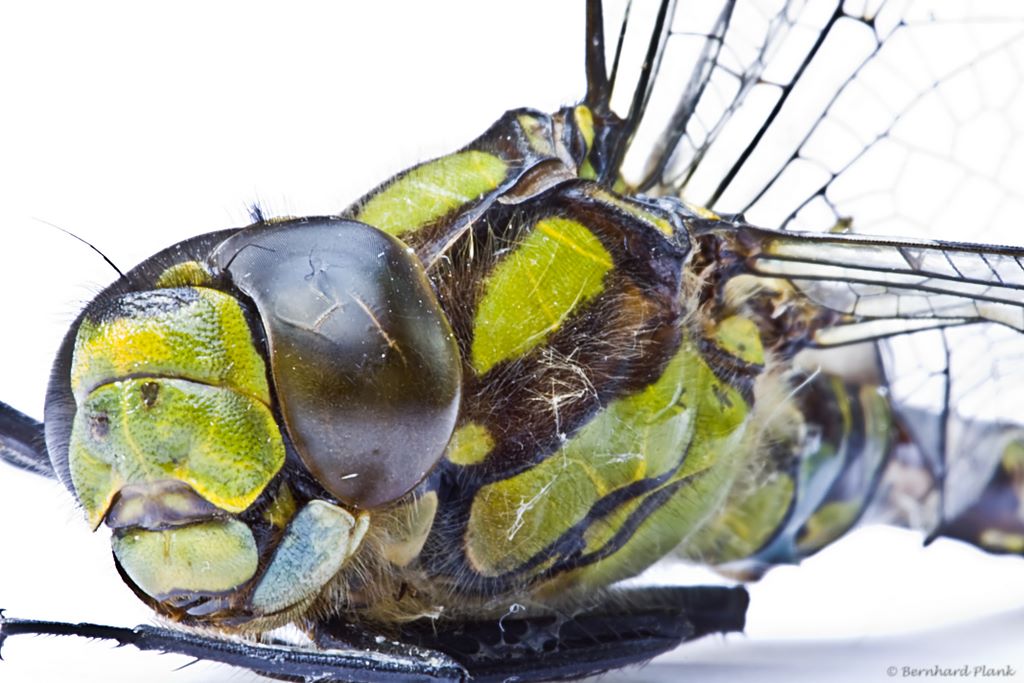
The males are often seen patrolling by a ponds edge or river, where they fight away intruders, crashing into rival males and spiraling through the air. The females are quite inconspicuous when they lay their eggs, but they sometimes give away their spot by clattering up from the reeds. If you look carefully you can sometimes find them ovipositing (laying eggs) into some moss, reeds or rotten wood.
Trivia question for Nov-04-2011
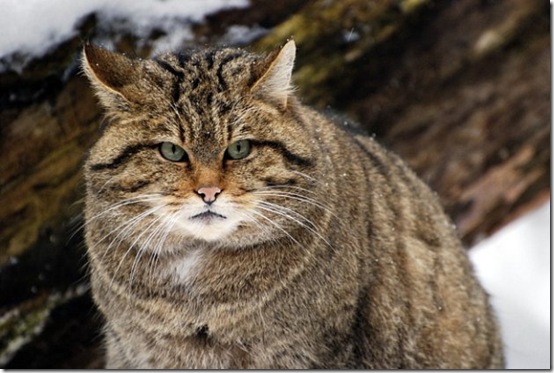
Although legally protected, they are still shot by hunters mistaking them for domestic cats. In the Scottish Highlands, where approximately 400 are thought to be remaining in the wild, interbreeding with feral cats is a significant threat to the wild population.
Trivia question for Nov-03-2011
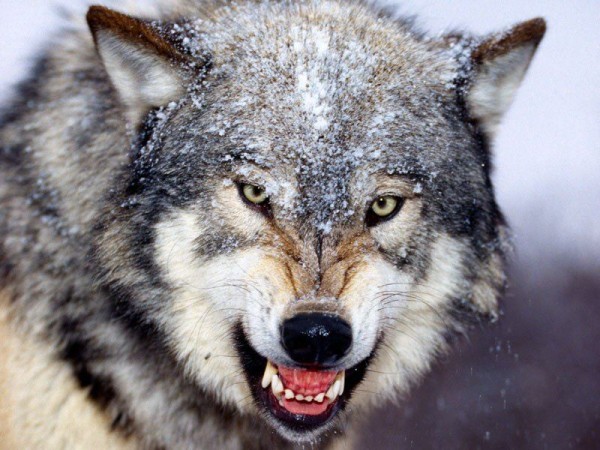
Though once abundant over much of Eurasia, North Africa and North America, they inhabit a reduced portion of its former range due to widespread destruction of its territory, human encroachment, and the resulting human-wolf encounters that sparked broad extirpation.
Trivia question for Nov-02-2011
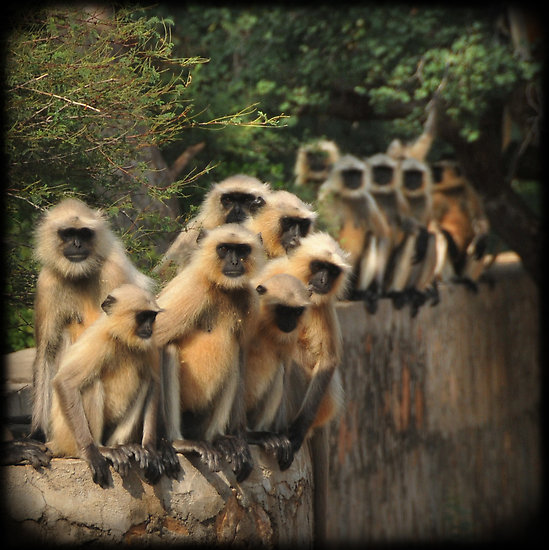
Non-plant material consumed include spider webs, termite mounds and even cremated human remains. They forage on agricultural crops and other human foods, and even accept handouts. Although they occasionally drink, they get most of their water from the moisture in their food.
Trivia question for Nov-01-2011
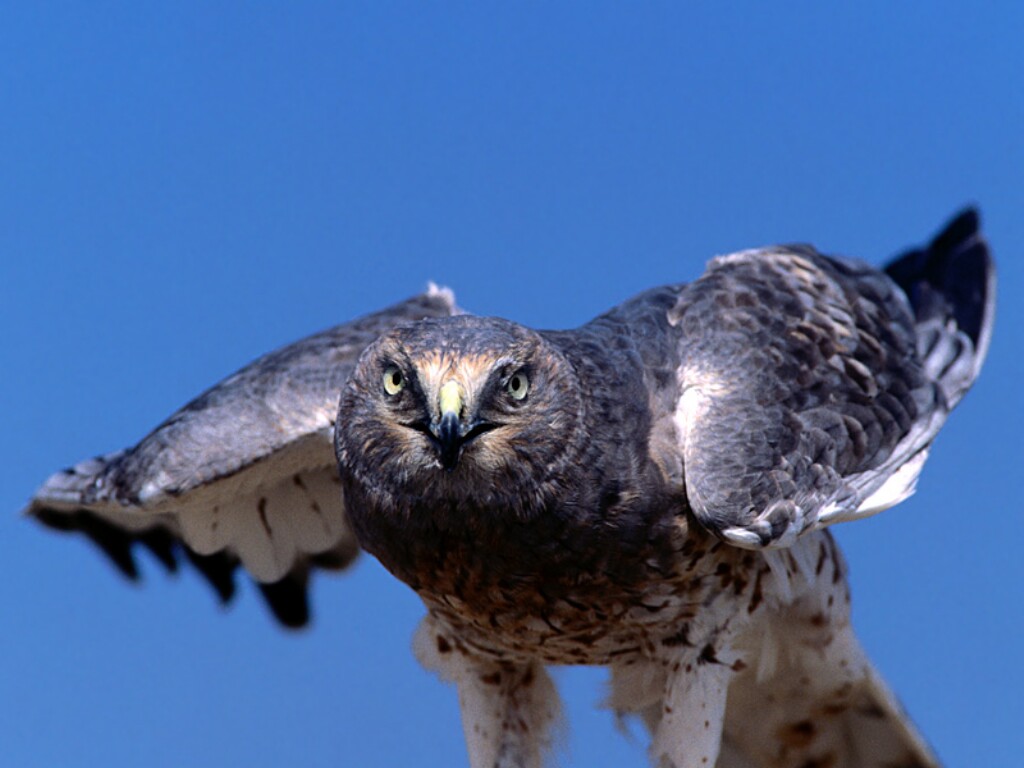
In the UK, these birds suffers illegal persecution by gamekeepers and their employers on shooting estates, particularly those managed for Red Grouse shooting, resulting in local and regional extinction in many areas, particularly in England where only 20 pairs survive despite abundant suitable habitat capable of holding several hundred pairs.
Trivia question for Oct-31-2011
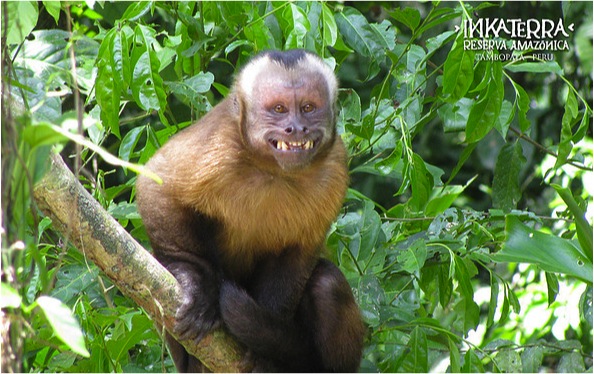
When presented with a reflection, these monkeys react in a way that indicates an intermediate state between seeing the mirror as another individual and recognizing the image as self.
Trivia question for Oct-30-2011
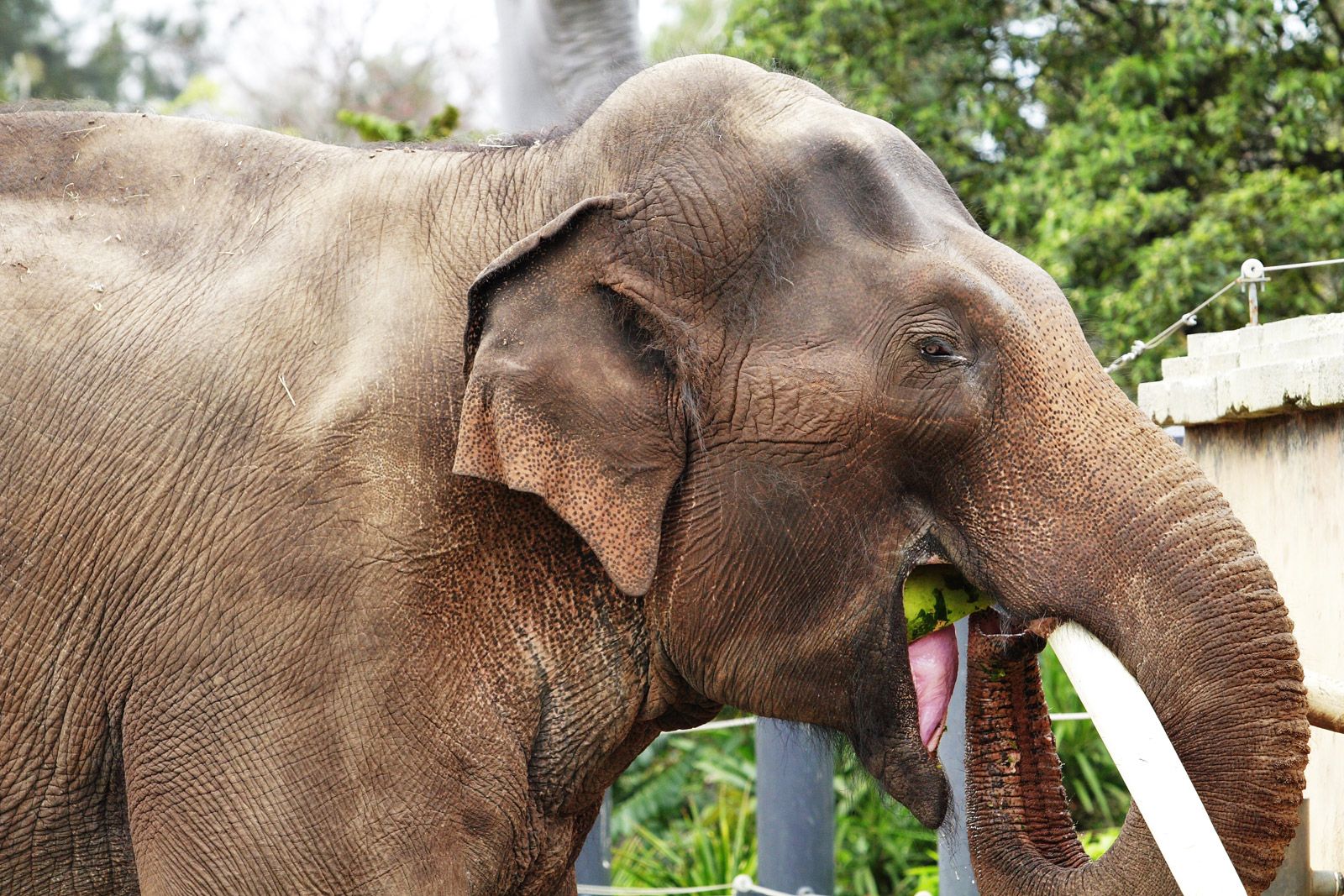
These are the second largest living land animals. They live in extended, family-based herds led by the eldest female. These guys have been used as a ‘Beast of Burden’ for over 5,000 years. These animals is widely domesticated, and has been used in forestry for centuries and also for ceremonial purposes. Historical sources indicate that they were used during harvest seasons primarily for milling.
Lubee Bat Conservancy Bat-Fest 2011
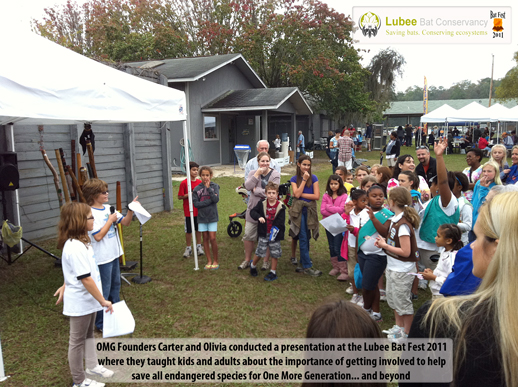
Recently Olivia and Carter were invited to be guest speakers at the Lubee Bat Conservancy 2011 Bat Festival. The Bat Conservancy is an international non-profit organization dedicated to protecting biological diversity through the conservation of fruit bats. They work with other organizations (such as OMG) to save fruit bats and their habitats through research, conservation, and education.
Trivia question for Oct-29-2011
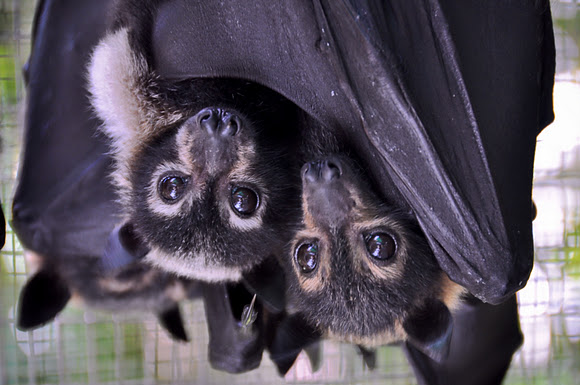
Their favorite roosting locations are in the canopies of trees in rainforests, such as mangroves, eucalyptus, or paperbark while in the sun, and colonies can number in the hundreds. They prefer to stay close to these locations as they offer abundant sources of food, shelter, and places to roost at night.
Trivia question for Oct-28-2011
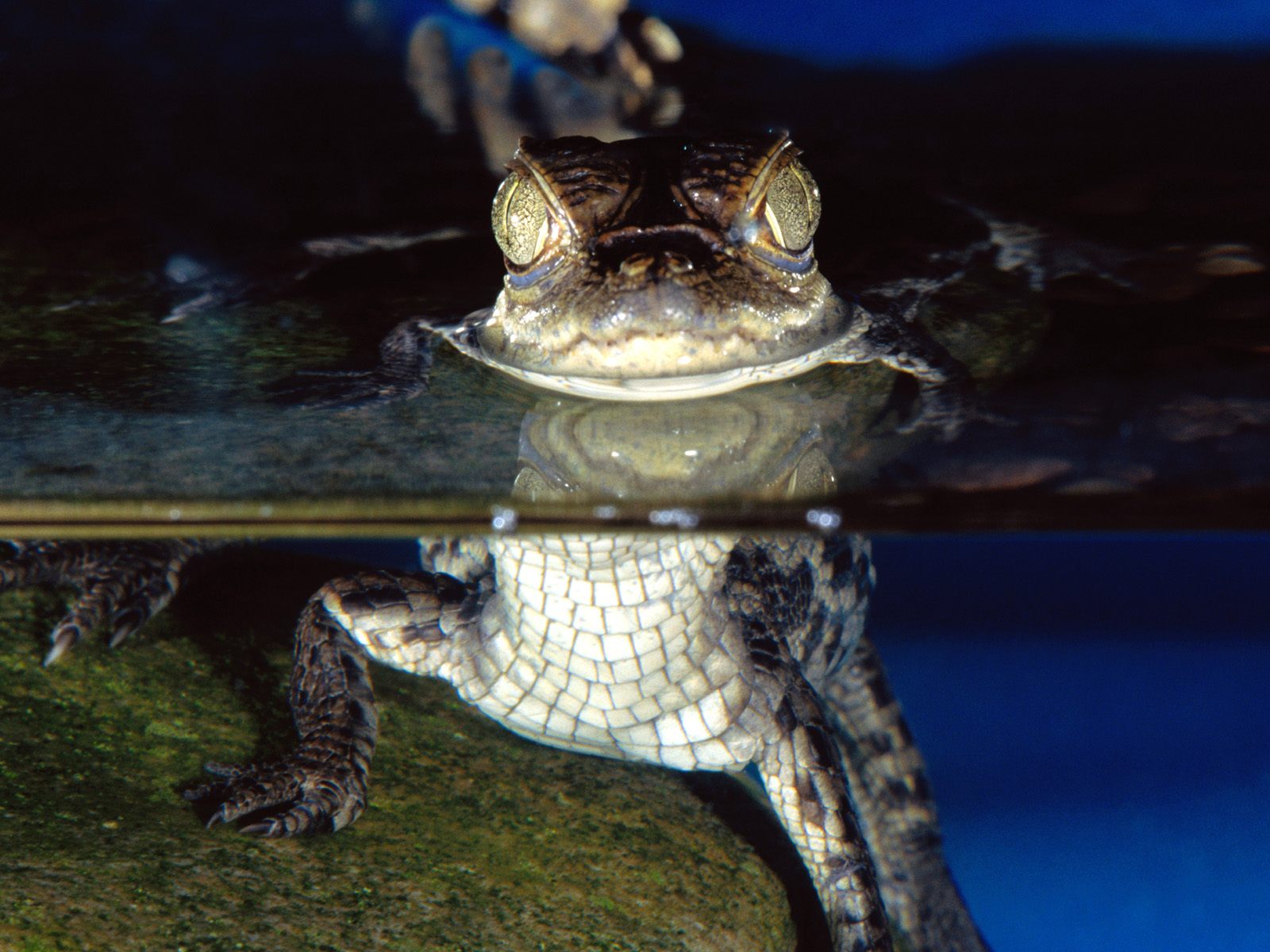
It lives in a range of lowland wetland and riverine habitat types and can tolerate salt water as well as fresh; due in part to this adaptability it is the most common of all crocodilian species.
Trivia question for Oct-27-2011
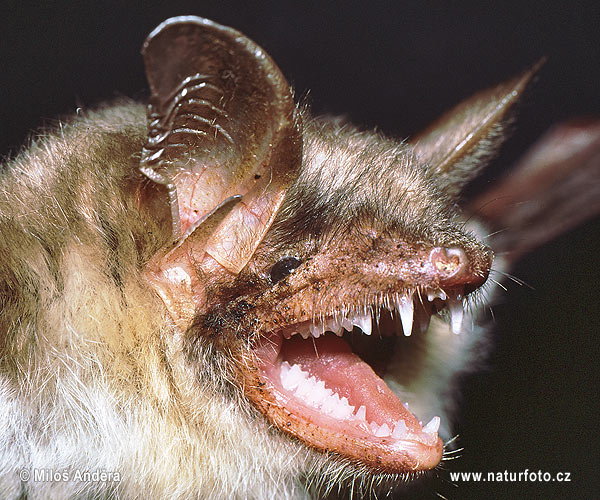
These bats hibernate in clusters in caves and forms large summer roosting colonies. They are increasingly rare across its range; listed as endangered by the IUCN (World Conservation Union).
Trivia question for Oct-26-2011
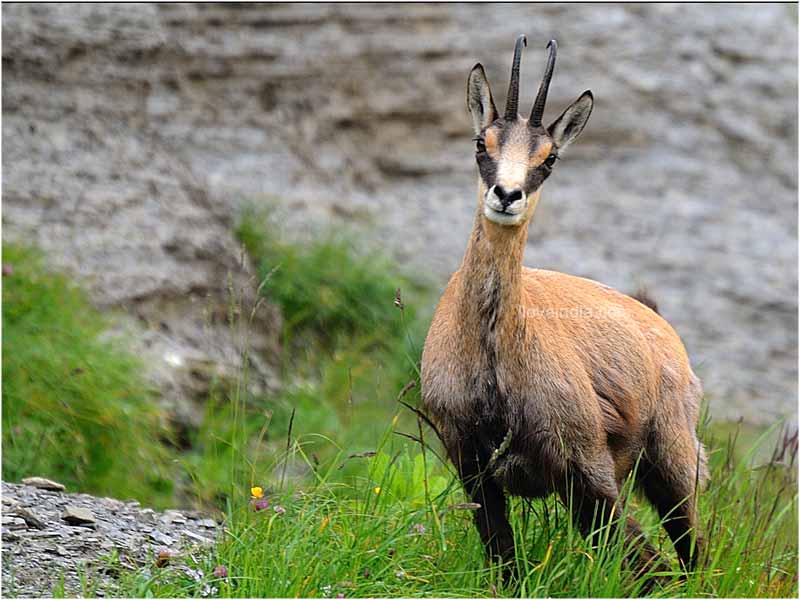
The tuft of hair from the back of the neck, the gamsbart (“beard”), is traditionally worn as a decoration on hats throughout the alpine countries.
Trivia question for Oct-25-2011
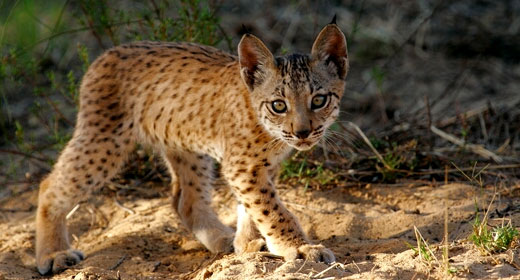
A male requires one rabbit per day; a female bringing up cubs will eat three rabbits per day. As the population of rabbits in its homeland has declined due to myxomatosis, these guys are often forced to attack young fallow deer, roe deer, mouflon, and ducks. They compete for prey with the red fox and the wildcat.