
OMG Founders Speak at the 2011 UMC Mississippi Annual Conference

Let’s talk about Global Climate Change; did you know that “it is estimated that more than 1/3rd of the Earth’s animal species and almost 20% of the plant species face extinction by 2050 if we maintain our current greenhouse gas trajectory.”
Trivia question for Jun-14-2011
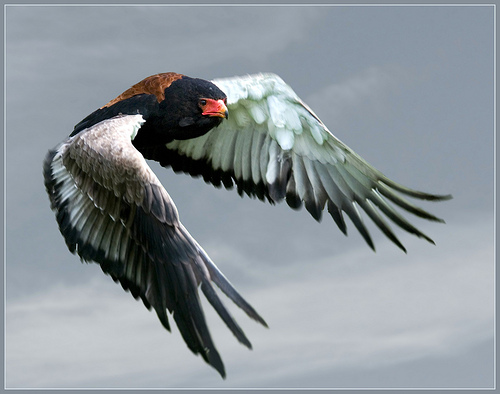
This is a common resident species of the open savanna country in Sub-Saharan Africa. It nests in trees, laying a single egg which is incubated by the female for 42 to 43 days, with a further 90 to 125 days until fledging. They pair for life, and will use the same nest for a number of years.
Trivia question for Jun-13-2011
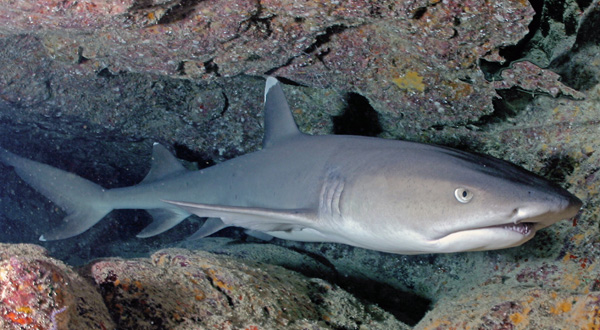
These sharks are rarely aggressive towards humans, though they may investigate swimmers closely. However, spear fishers are at risk of being bitten by one attempting to steal their catch.
Trivia question for Jun-12-2011
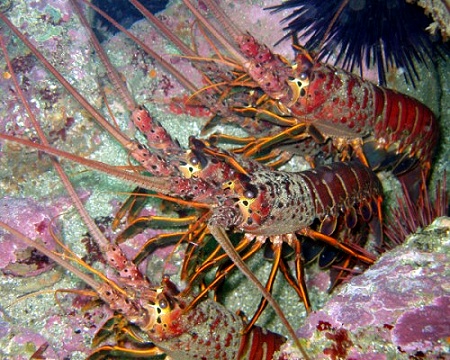
Many of these produce rasping sounds to repel predators. This is done by rubbing the “plectrum” at the base of their antennae against a “file”. The noise is produced by frictional vibrations – sticking and slipping, similar to rubber materials sliding against hard surfaces.
Trivia question for Jun-11-2011
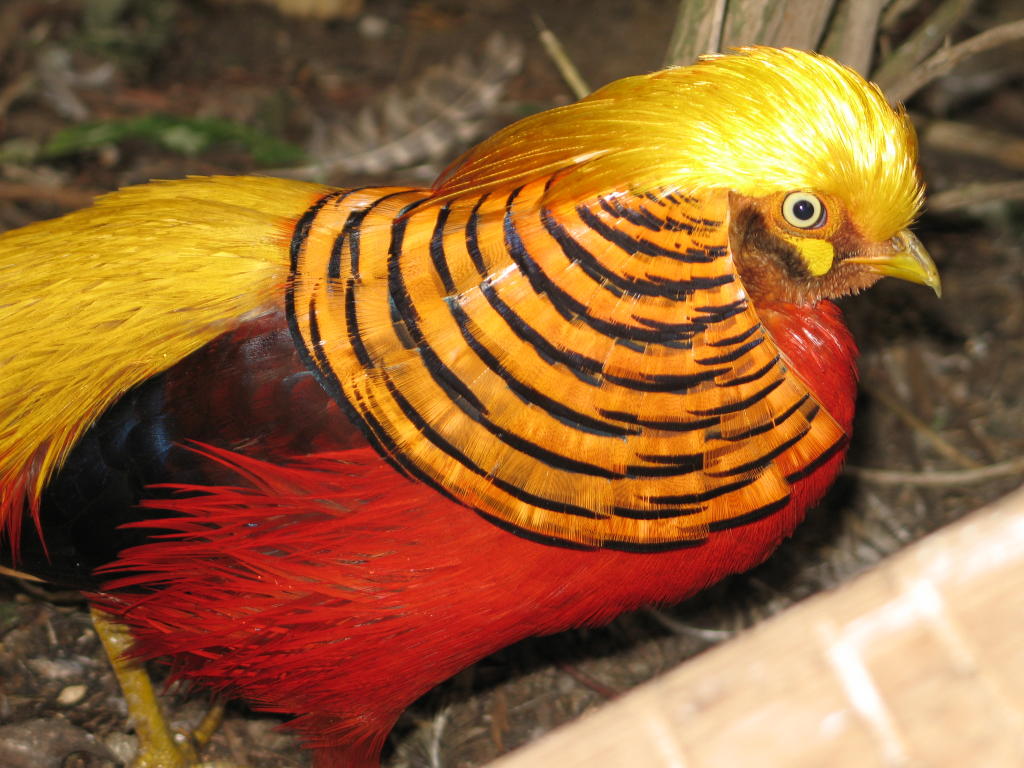
While they can fly, they prefer to run: but if startled they can suddenly burst upwards at great speed, with a distinctive wing sound.
Trivia question for Jun-10-2011
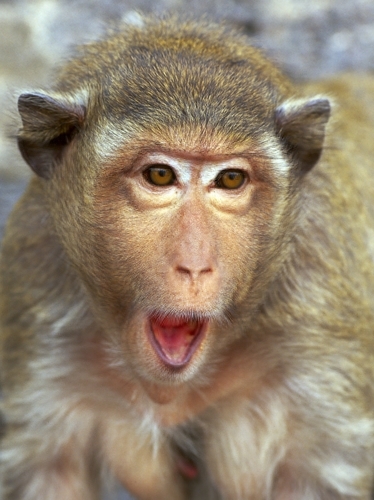
These primates are native to northern India, Bangladesh, Pakistan, Nepal, Burma, Thailand, Afghanistan, Vietnam, southern China, and some neighboring areas.
Trivia question for Jun-09-2011
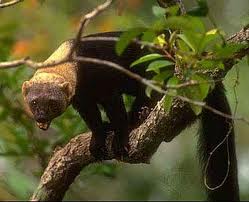
They eat mainly fruit, but also carrion, small mammals, reptiles, and birds. They live in hollow trees, burrows in the ground, or nests of tall grass. They travel both alone and in groups during both the day and the night.
Trivia question for Jun-08-2011
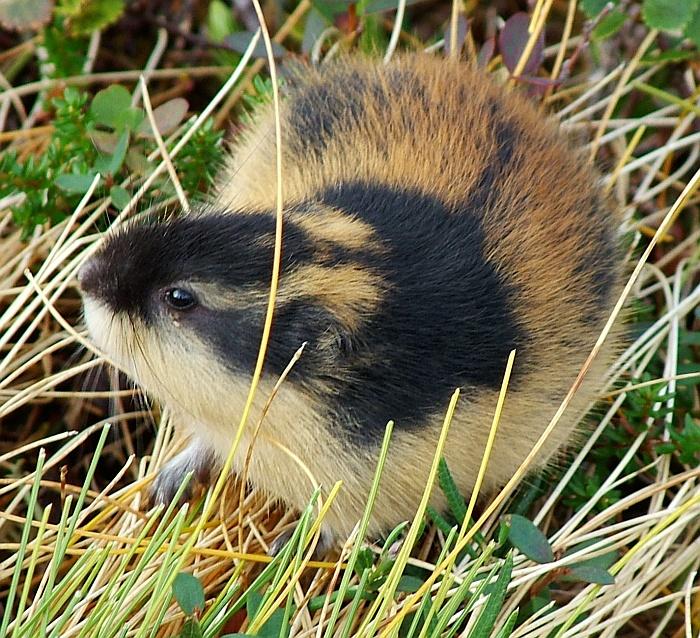
When the seasons are particularly good—short winters without unexpected thaws or freezes, and long summers—their population can increase explosively: they reach sexual maturity less than a month after birth
Trivia question for Jun-07-2011
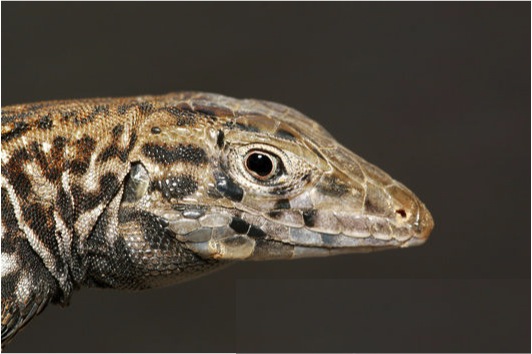
These lizards are all terrestrial and diurnal, and are primarily carnivorous or insectivorous, although some will include a small amount of plant matter in their diet. They all lay eggs, with some species laying very large clutches.
2012 London Olympic and Paralympic Games

Greener upon Thames is a London, UK based non profit organization campaigning for a ban on plastic bags at the 2012 London Olympic and Paralympic Games at the Olympic Park and all Olympic venues. In the UK over 13 billion plastic bags are used each year, worldwide, that figure is closer to 500 billion and with evidence that plastic is now appearing in our food chain it’s a serious issue. Not to mention hundreds of thousands of animal deaths a year through plastic waste and the littering of our countries.
Lowland Tapir Conservation Initiative
Ecological research of keystone species generates information to guide habitat conservation initiatives, as well as to promote education and local community participation. This will then lead to landscape conservation efforts that will ultimately influence decision- and policy-making. The research and conservation of keystone species can help design the necessary steps to safeguard a biome and influence policy-making. Tapirs are such a keystone species.
Trivia question for Jun-06-2011
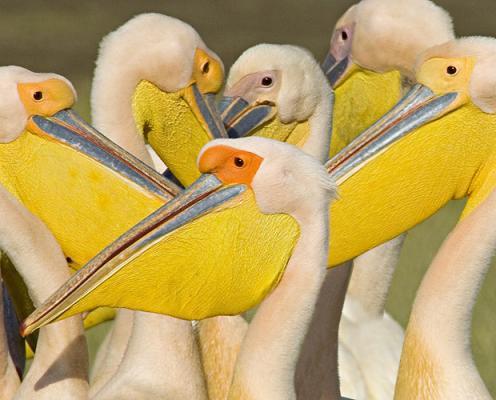
Today, because of overfishing in certain areas, these guys are forced to fly long distances to find food. They are exploited for many reasons. Their pouch is used to make tobacco bags, Their skin is turned into leather, the guano is used as fertilizer, and the fat of their young is converted into oils for traditional medicine in China and India.
Trivia question for Jun-05-2011
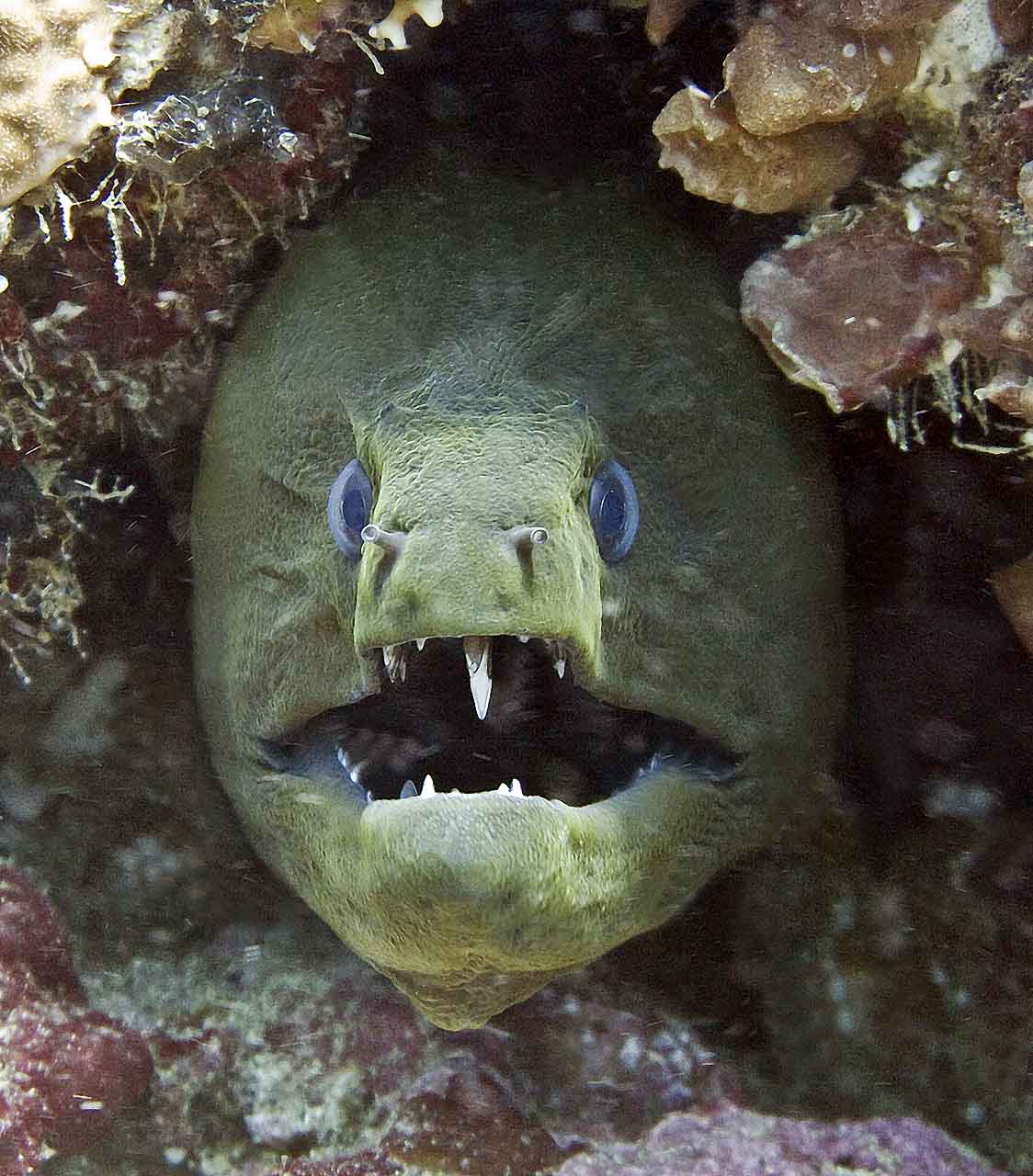
This particular type of eel is responcible for causing ciguatera fish poisining in humans; they account for more than 10% of deadly cases.
Trivia question for Jun-04-2011
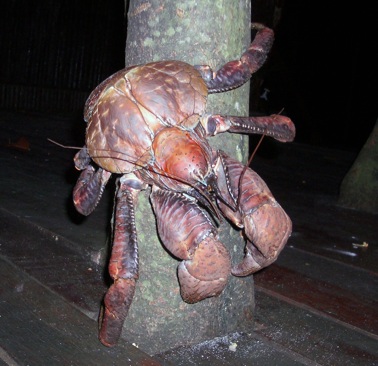
The species inhabits the coastal forest regions of many Indo-Pacific islands, although localized extinction has occurred where the species lives close to humans.
Trivia question for Jun-03-2011
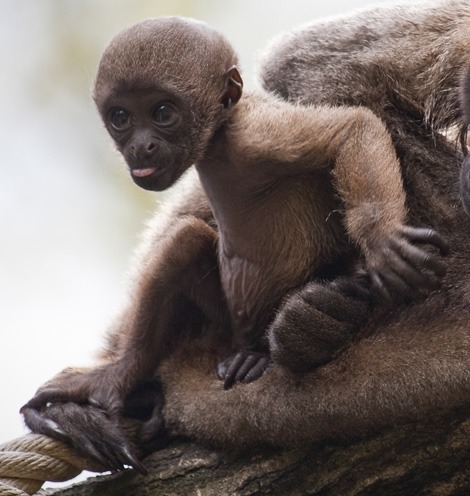
These monkeys are predated by a variety of species of eagle and cat-like species like the Jaguar. Its main predator however, is humans, who hunt the species both for nutrition and for the illegal pet trade. Habitat encroachment is also threatening the survival of the species and it is believed that all these factors are the cause of the species recent decline.