
Trivia question for Jun-28-2011
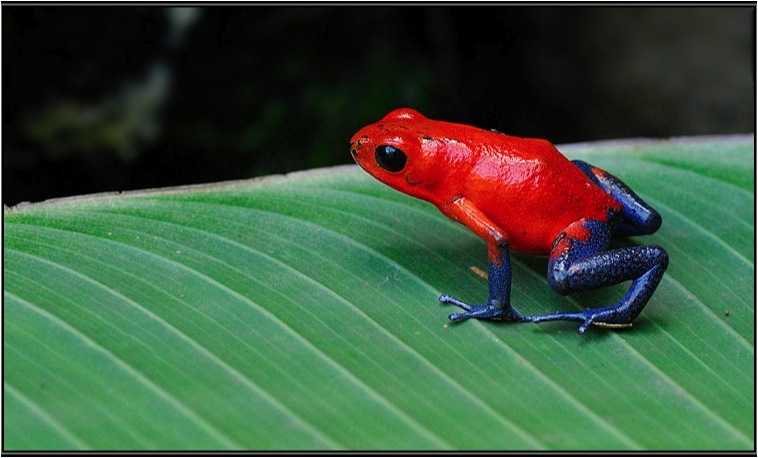
Though not a poisonous as some, this frog still produces toxins powerful enough to keep most animals from eating it.
Trivia question for Jun-27-2011
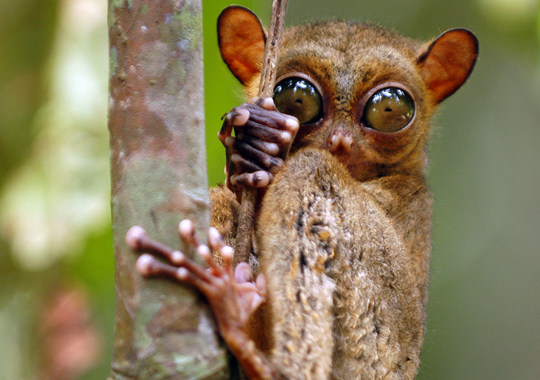
These are the only extant entirely carnivorous primates: they are primarily insectivorous, and catch insects by jumping at them. They are also known to prey on birds, snakes, lizards, and bats. As they jump from tree to tree, they can even catch birds in motion.
Trivia question for Jun-26-2011
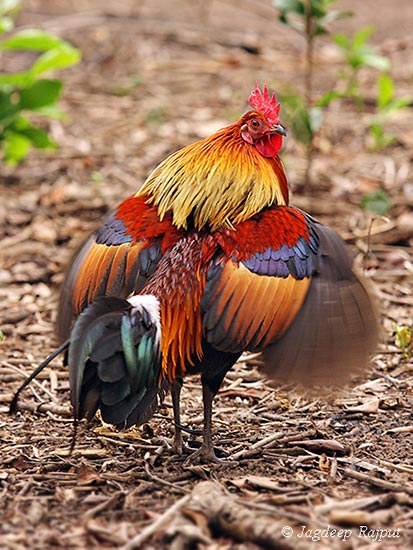
These birds are a tropical member of the Pheasant family. They are thought to be ancestors of the domestic chicken with some hybridization with another type of its species. They were first raised in captivity at least several thousand years ago in Asia, and the domesticated form has been used all around the world as a very productive food source for both meat and eggs.
Trivia question for Jun-25-2011
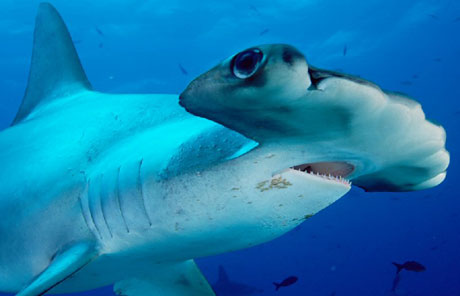
Carter has always been fascinated by the odd look of these guys so today he decided to do his trivia on them. The Great Hammerhead Shark is the largest species of Hammerhead. An active predator with a varied diet, known prey of the great hammerhead include invertebrates such as crabs, lobsters, squid, and octopus, bony fishes such as tarpon, […]
Trivia question for Jun-24-2011
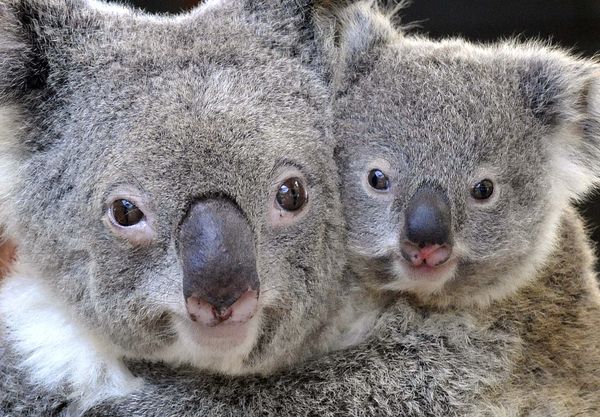
The koalas of South Australia were largely exterminated during the early part of the 20th century, but the state has since been repopulated with Victorian stock. The koala is not found in Tasmania or Western Australia.
Trivia question for Jun-23-2011
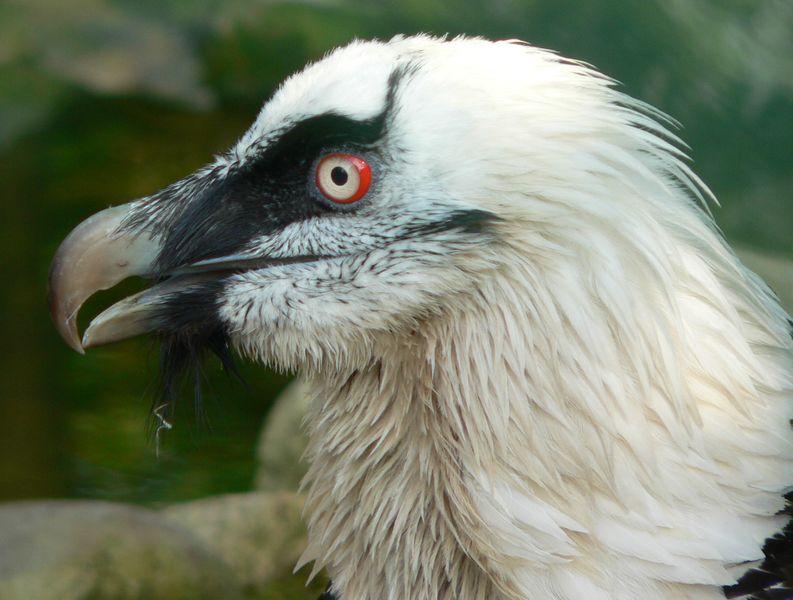
Like other vultures it is a scavenger, feeding mostly from carcasses of dead animals. It usually disdains the rotting meat, however, and lives on a diet that is 90% bone marrow. They can swallow whole bones up to the size of a lamb’s femur and its powerful digestive system quickly dissolves even large pieces.
Trivia question for Jun-22-2011

It is found on mountains in Europe usually above 3,300 ft up to 6,600 ft, preferring flowery meadows and mountain pastures. This species is of interest to entomologists due to the variety of subspecies, often only restricted to a specific valley in the Alps.
“Marine Life Facing Mass Extinction, report says” (IPSO) Report

Marine life is under severe threat from global warming, pollution and habitat loss, with a high risk of “major extinctions” according to a panel of experts.
Trivia question for Jun-21-2011
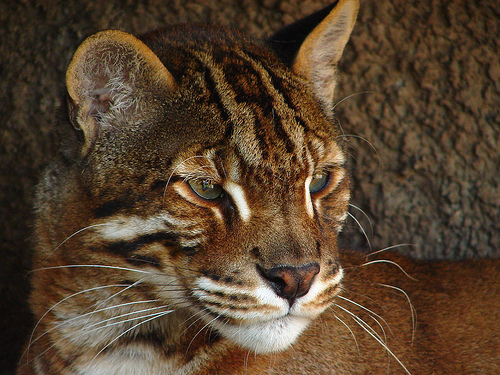
An adult of these cats are about twice the size of a domestic cat, with a head and body length that typically ranges from 22 to 31 in, and a 7.9 to 12 in long tail. A few much larger individuals have been reported, of up to 45 inches in head-body length. Adults can weigh from 11 to 35 lb.
Trivia question for Jun-20-2011
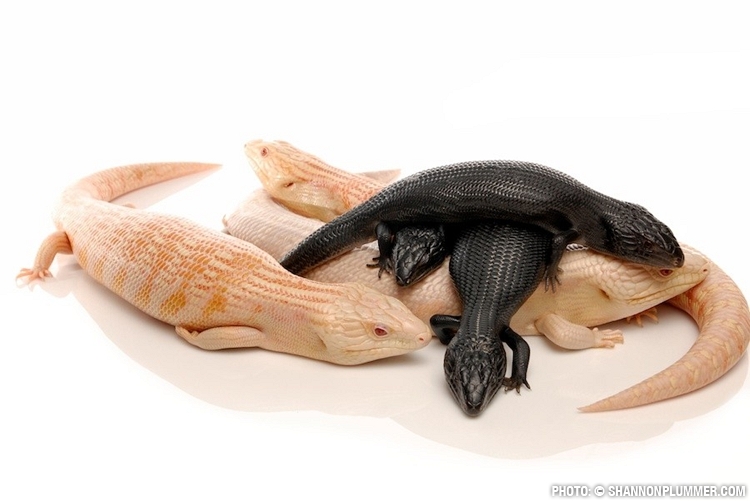
These are among the most diverse group of lizards. They make up the second largest of the lizard families (after the geckos) with about 1200 species.
Trivia question for Jun-19-2011
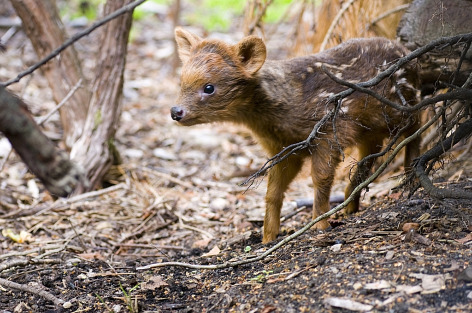
Predators of these guys include the Horned owl, Andean fox, Magellan fox, cougar, and other small cats. They are a wary animal that moves slowly and stops often, smelling the air for scents of predators. Being a proficient climber, jumper, and sprinter, they flee in a zigzag path when being pursued.
Trivia question for Jun-18-2011
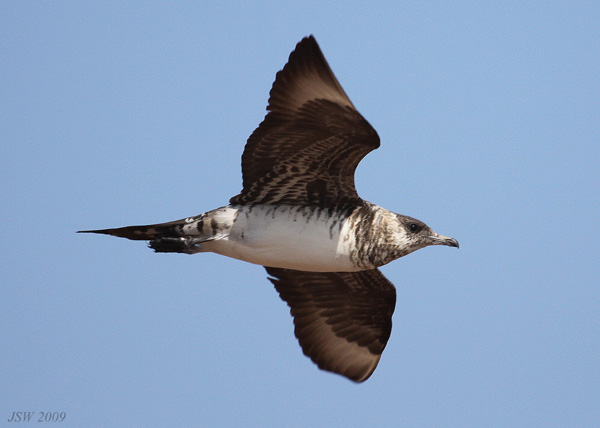
It will fly at the head of a human or fox approaching its nest. Although it cannot inflict serious damage, it is a frightening and painful experience.
Trivia question for Jun-17-2011

These dolphins live in groups typically of 10–30 members, called pods, but group size varies from single individuals up to more than 1,000. Their diet consists mainly of forage fish.
Trivia question for Jun-16-2011
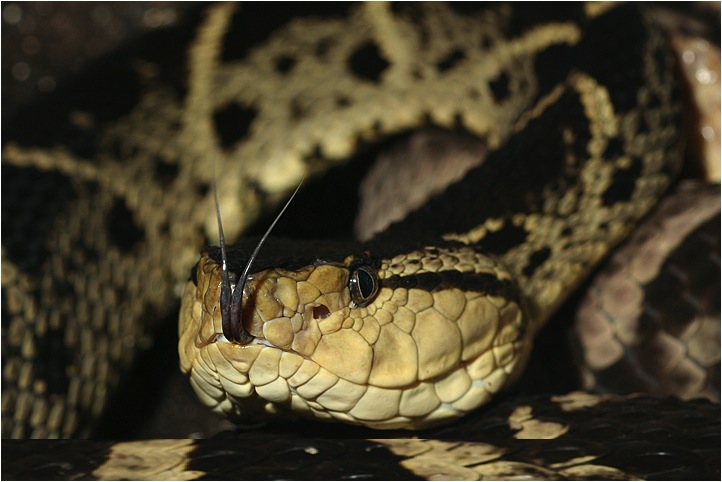
It is one of the largest and deadliest of the poisonous snakes. It is a common central American snake and is also found in the south America and West Indies. These snakes strike swiftly and they are an aggressive snake.
Trivia question for Jun-15-2011
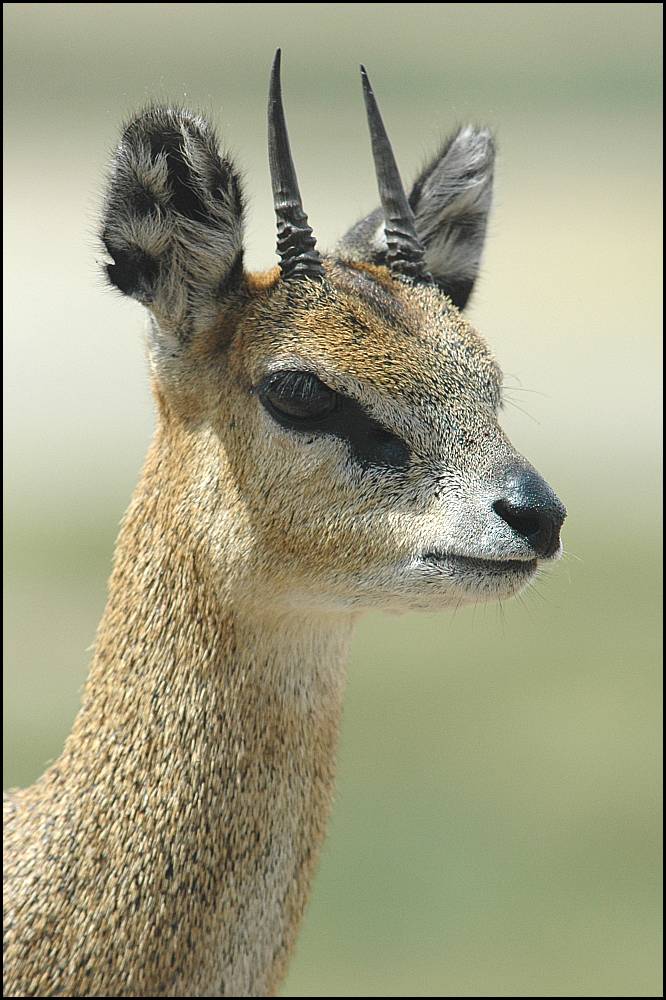
They stand on the tips of their hooves and can fit all four hooves on a piece of cliff the size of a Canadian dollar coin.