
Trivia question for Aug-04-2011

They are among the smallest of the primates. Head body length of this species is 17 cm and tail length is 25 cm. Forelimbs are shorter than the hind limbs. The thumb is not opposable and the tail is not prehensile. All the finger and toe nails are like claws except for the big toe which has a flat nail.
Trivia question for Aug-03-2011
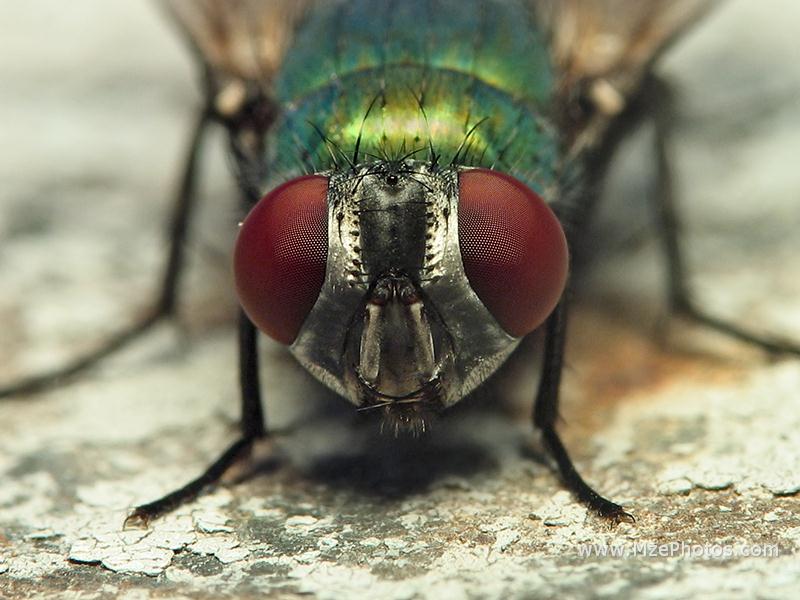
These insects comprise a large family of flies, including familiar bluebottles and greenbottles. They spread diseases, but also provide an essential ecological service by devouring organic waste.
Trivia question for Aug-02-2011
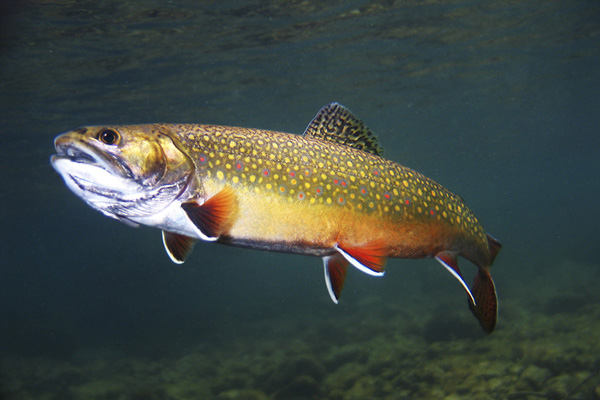
Its diverse diet includes crustaceans, frogs and other amphibians, insects, molluscs, smaller fish, invertebrates, and even small aquatic mammals such as voles. It provides food for seabirds and suffers attack by lampreys. They are a short-lived species, rarely surviving beyond four or five years in the wild.
Trivia question for Aug-01-2011
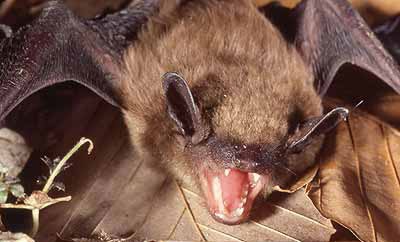
These guys maneuver and hunt with great precision using echolocation, the animal equivalent of sonar. They devour any insect that crosses it flight path, eating thousands each night. These bats live in three different roosting sites: day roosts, night roost and hibernation roosts.
Trivia question for Jul-31-2011

These animals live exclusively in South America, primarily in the central Andes. They are native to Peru, northwest Argentina, Bolivia and north Chile, and there is a smaller, introduced population in central Ecuador. Peru has the largest number.
Trivia question for Jul-30-2011
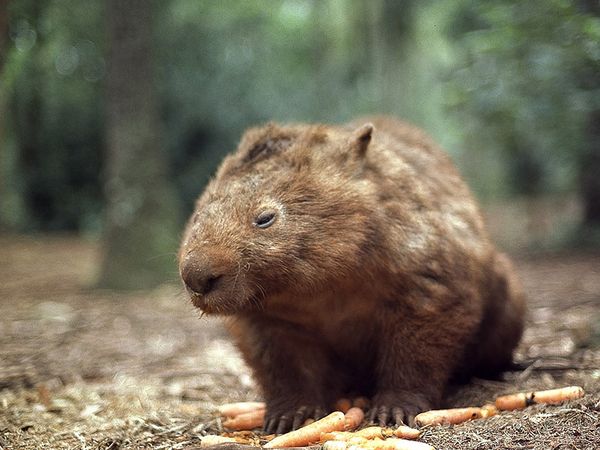
These guys are a solitary, territorial species, with each one having an established range in which it lives and feeds. In this area, they dig a tunnel system, with tunnels ranging anywhere from 2 to 20 meters in length, along with many side-tunnels. There is usually only one entrance to the burrow, although they may create a smaller one to escape with.
Trivia question for Jul-29-2011
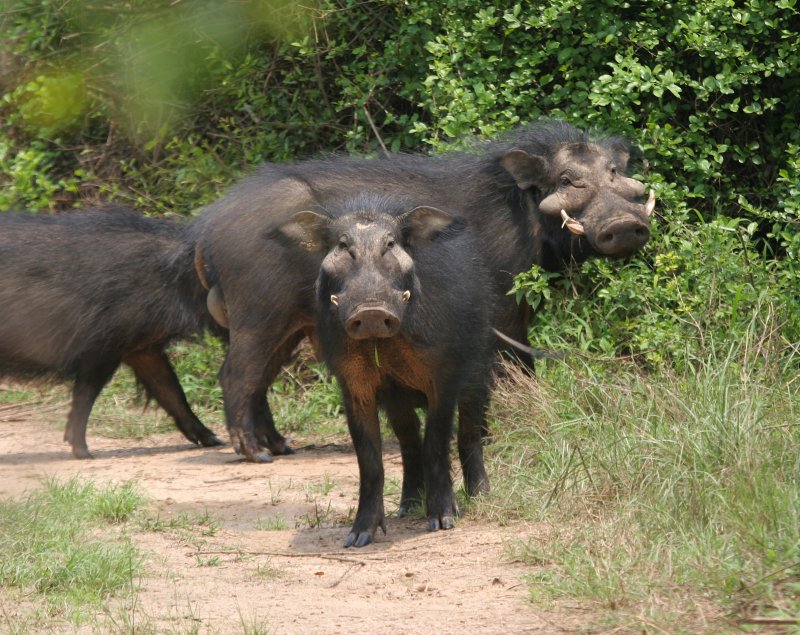
These animals are mainly herbivores, but also scavenges. It is usually considered nocturnal, but in cold periods it is more commonly seen during daylight hours, and it has been suggested it is diurnal in regions where protected from humans. They live in herds of up to twenty animals consisting of females and their offspring, but usually also including a single old male.
Trivia question for Jul-28-2011
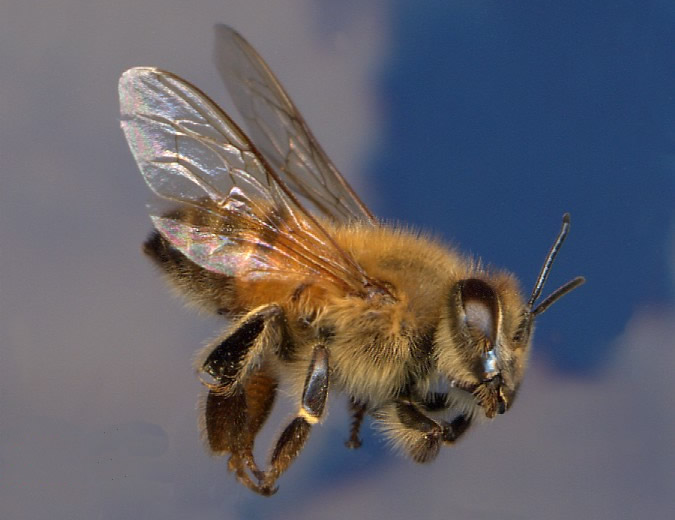
These bees are a subspecies of the common honey bee, buy these will pursue victims for up t 1/4-mile. They will invade and takeover the hives of various other varieties of honey bees.
Big Cat Rescue Needs Your Help
Big Cat Rescue’s mission is to provide the best possible home for the animals in their care and try to stop the flow of exotic cats needing sanctuary by educating the public about the plight of the animals and supporting stronger laws to protect them. The non-profit organization is: Accredited by the Global Federation of Sanctuaries, Certified by Independent Charities of America as a “Best in America Charity”, a Member of the WorldSociety for Protection of Animals, Rated 4 Stars (highest rating) by Charity Navigator for sound fiscal management.
Trivia question for Jul-27-2011
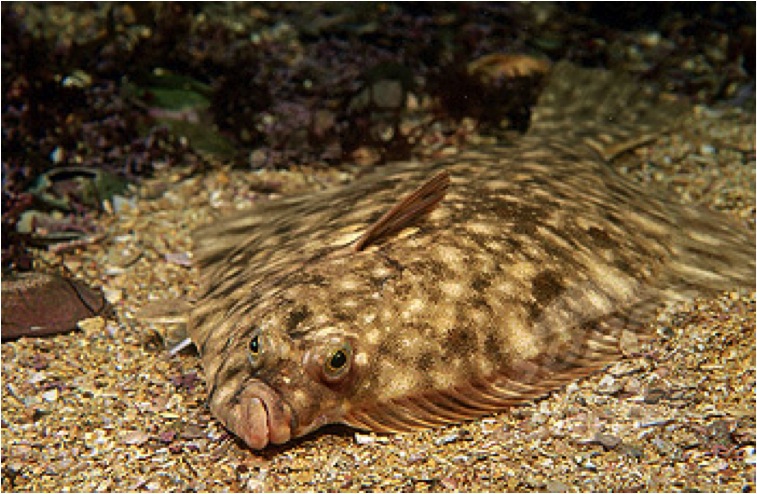
They feed at night, drifting inshore with the tide to snap up burrow-dwelling shellfish and worms. They have an acute sense of smell, and uses it to track down prey in the often murky water of its habitat. They live in coastal waters, as well as lower reaches of rivers, from Arctic Scandinavia south through Europe to North Africa.
Trivia question for Jul-26-2011
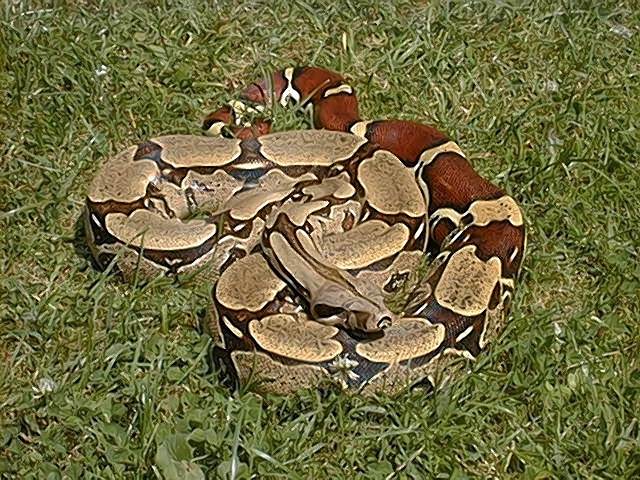
This is a large snake, although only modestly sized in comparison to other large snakes such as the reticulated and Burmese python, and can reach lengths of anywhere from 3–13 feet depending on the locality and the availability of suitable prey.
Trivia question for Jul-25-2011
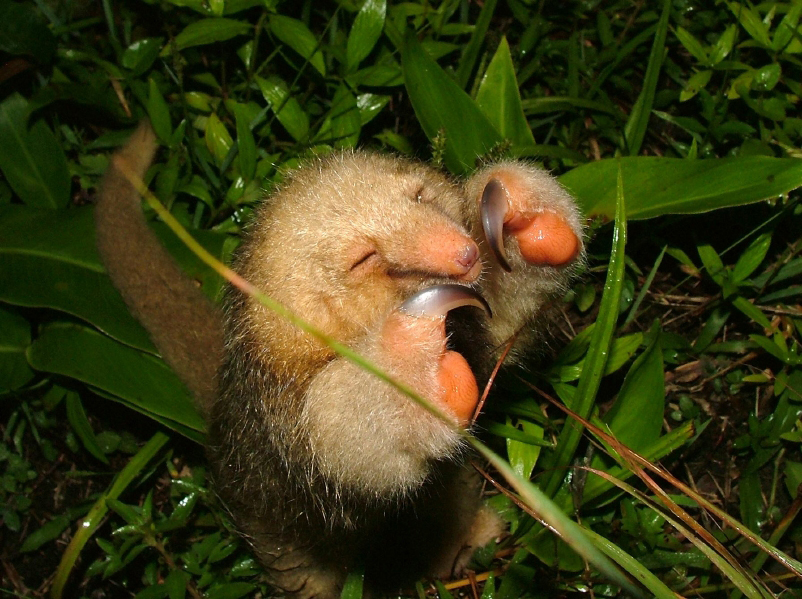
It is a nocturnal and arboreal animal, found in lowland rain-forests with continuous canopy where they can move to different places without the need to descend from trees. When threatened, these guys defend themselves by standing on its hind legs and holding its forefeet close to its face so it can strike any animal that tries to get close with its sharp claws.
Trivia question for Jul-24-2011
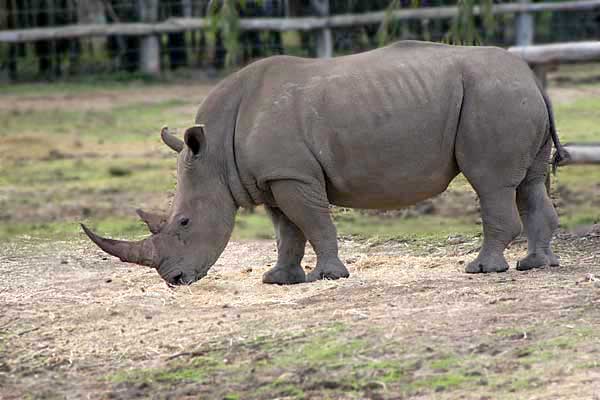
The long front horn averages 2-feet in length but can actually reach up to 5-feet in length. These guys usually move at about 15-mph in a graceful trot, but can gallop at up to 25 mph for shorter distances. These guys are almost matched with the hippo for the title of the second largest land mammal after the elephant. While the hippo may out weigh this rhino species, they are not as tall as the rhino.
Huddleston Elementary ‘After School Program’ Talks Trash

One More Generation’s “Plastic Awareness Week” program is helping to save America’s children from our Plastic Pollution. If your interested in having our two young founders come out to your school or church to teach their program, send us an email. We would love to share what we have learned 😉
Trivia question for Jul-23-2011

These birds feed by swimming under water or diving. They also dabble. They eat molluscs, crustaceans and insects. They have smooth, densely packed feathers that trap a lot of air within them.