
Trivia question for Oct-24-2011
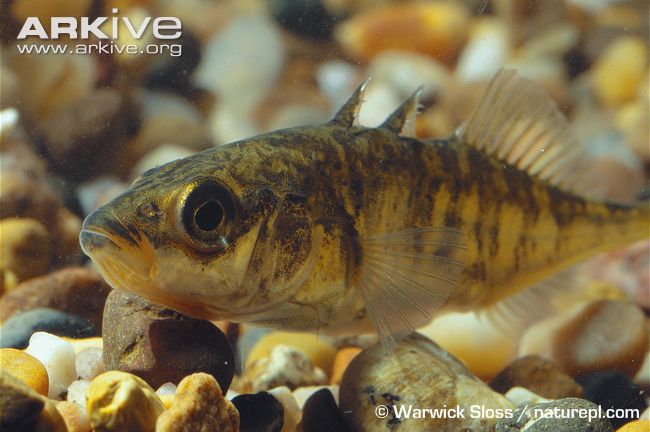
These fish have recently become a major research organism for evolutionary biologists trying to understand the genetic changes involved in adapting to new environments. The entire genome of a female fish from Bear Paw Lake in Alaska was recently sequenced by the Broad Institute and many other genetic resources are available.
Trivia question for Oct-23-2011
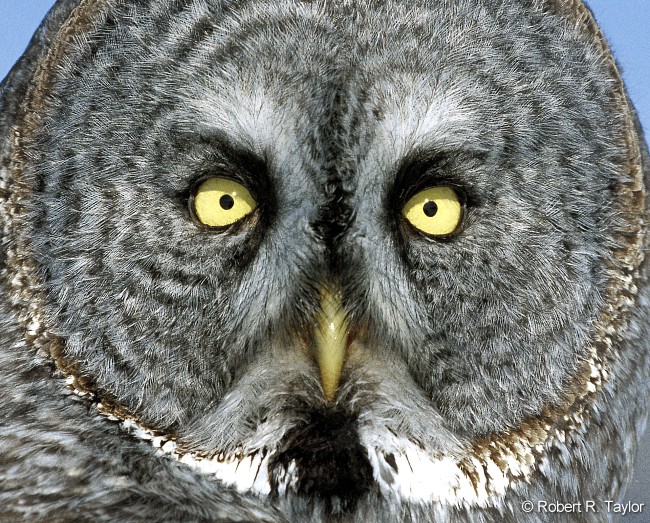
These birds wait, listen, and watch for prey, then swoop down; they also may fly low through open areas in search of prey. Their large facial disks, also known as “ruffs”, focus sound, and the asymmetrical placement of their ears assists them in locating prey, because of the lack of light during the late and early hours in which they hunt.
SKA Academy of Art and Design’s Plastic Awareness Program
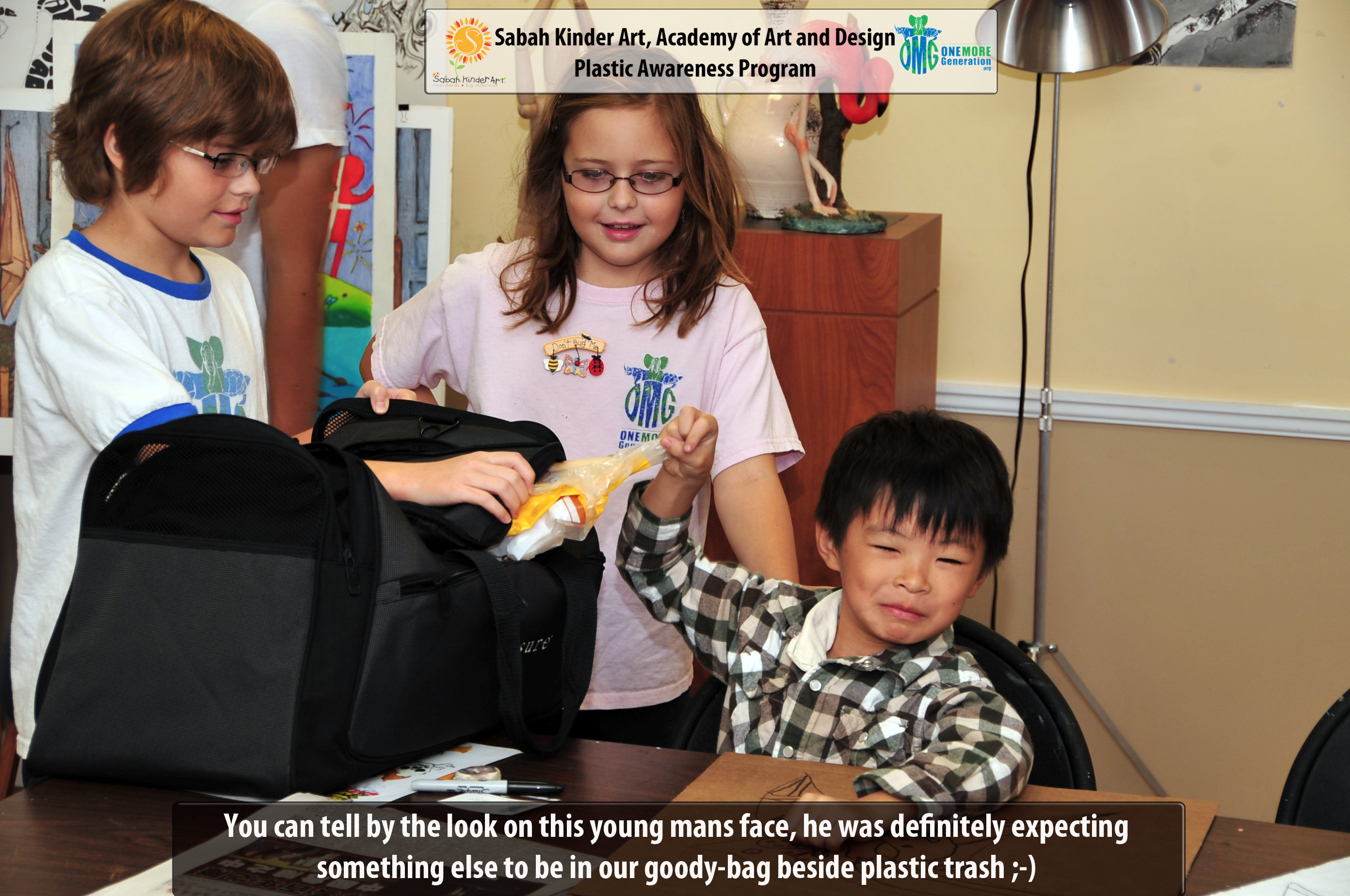
Recently we had the opportunity to present our program “Plastic Awareness Week” program to the extremely talented students from the SKA Academy of Art and Design school in Duluth GA. Co-founder of the school Dr. Leng Chee Chang (who is a Graduated with Ph.D. Degree in Pharmacognosy from University of Illinois at Chicago) heard about our program and invited Olivia and Carter to come and teach to several of their classes over the course of several weeks.
Trivia question for Oct-22-2011
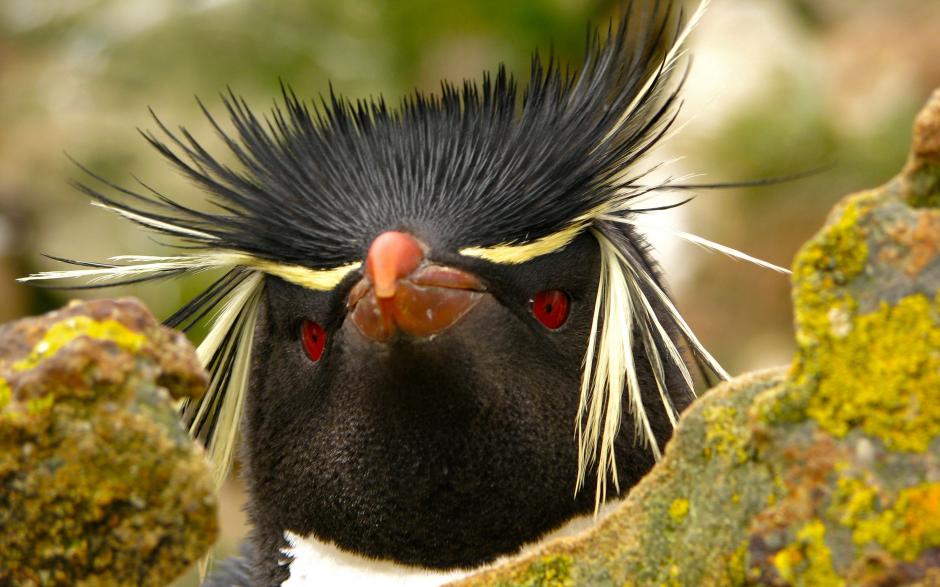
One of these penguins was named “Rocky” in the Bergen Aquarium in Norway, which lived to 29 years 4 months. It died in October 2003. This stands as the age record for this species of penguins, and possibly it was the oldest penguin known. Their breeding colonies are located from sea-level to cliff-tops and sometimes inland. Their breeding season starts in September and ends in November.
EEA Outdoor Learning Symposium
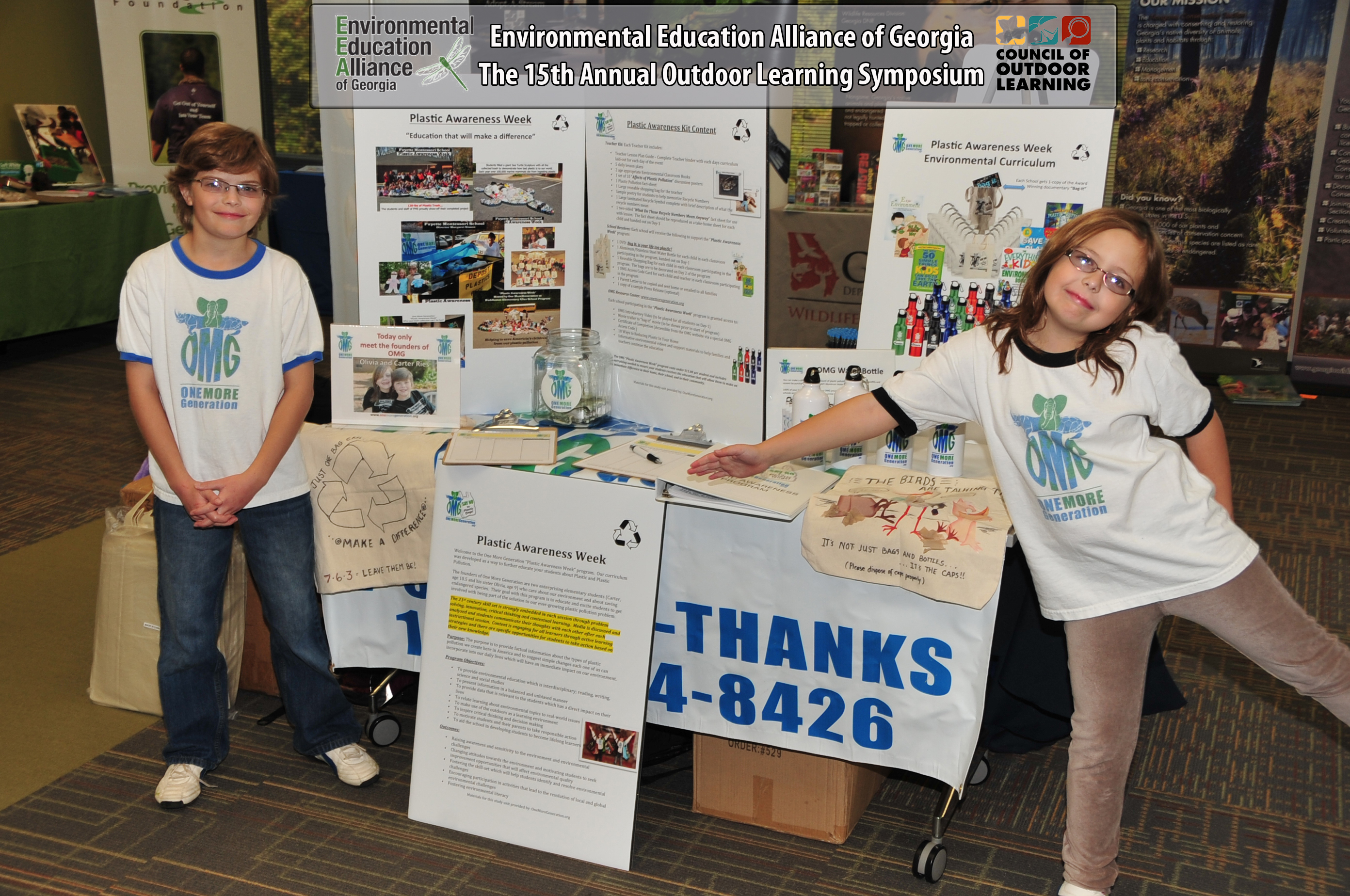
The 15th annual Outdoor Learning Symposium was held Friday, October 21, 2011, at Georgia Perimeter College: Decatur Campus. This year’s theme, “Leaving Footprints : Natural Paths to Learning”, evolved from many different modes and methods of Outdoor Learning. It truly refers to leaving lasting impressions or “footprints” in the minds of students and using the natural world as a path to accomplishing the many standards and concepts that must be taught and learned along the way. OMG was invited to feature our “Plastic Awareness Week” curriculum program to the many teachers and educators in attendance.
Trivia question for Oct-21-2011
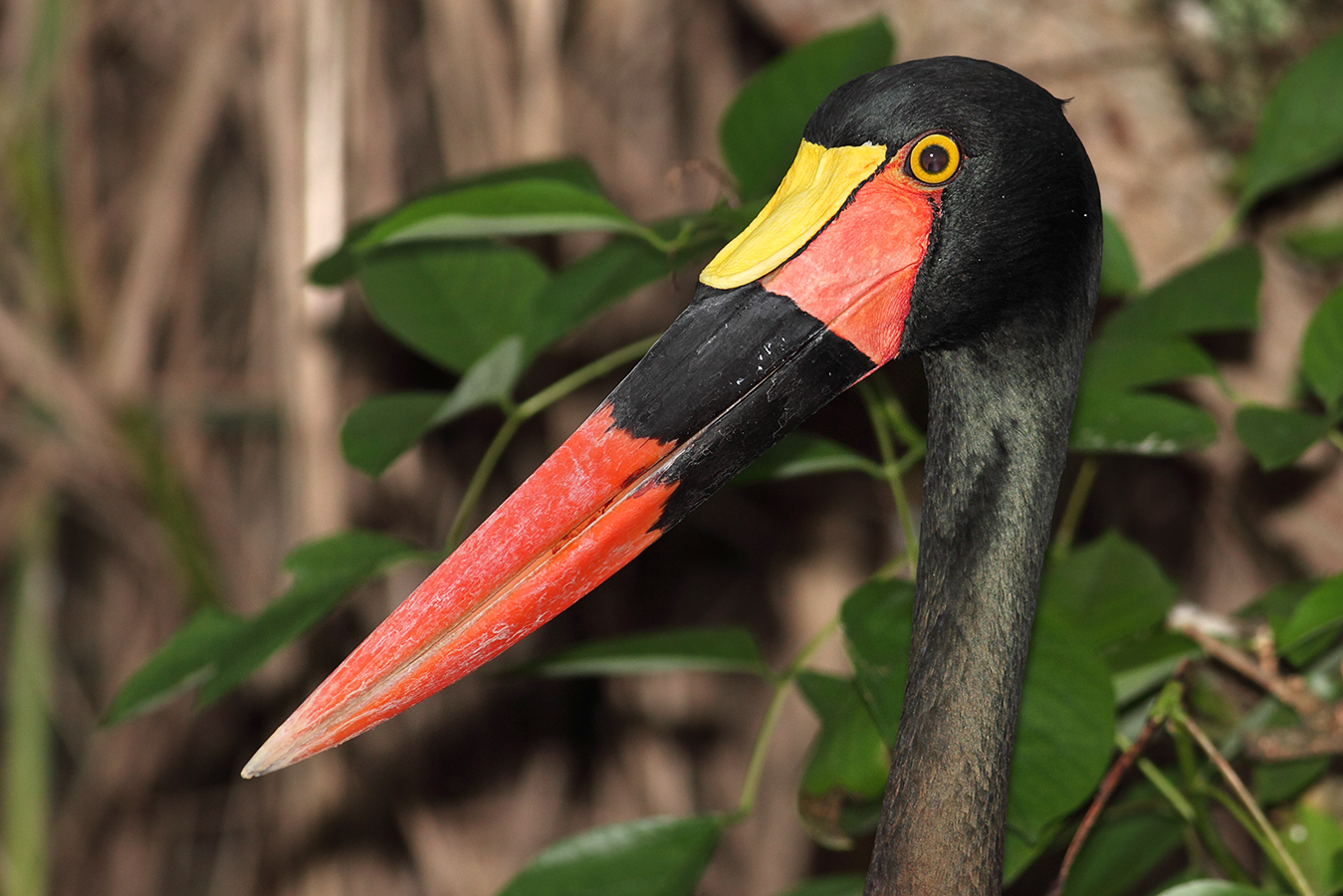
These birds are the tallest and most strikingly colored of their species in Africa. Their broad wings allow it to soar above the plains. It is spectacularly plumaged, identical in male and female. The head, neck, back, wings, and tail are iridescent black, with the rest of the body and the primary flight feathers being white.
Trivia question for Oct-20-2011
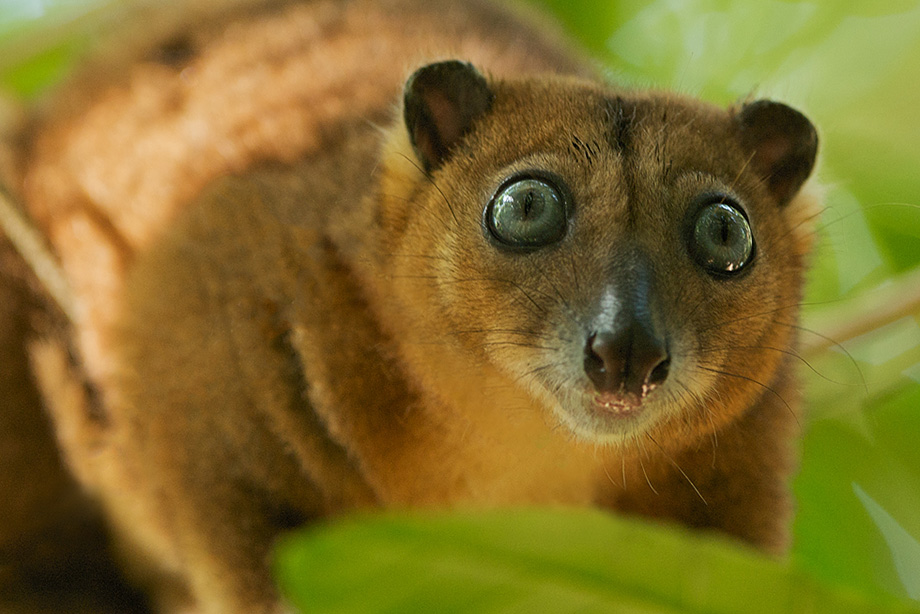
These guys are thought to breed throughout the year rather than having a strict breeding season. The mother gives birth to between 2 and 4 babies after a gestation period of just a couple of weeks.
Trivia question for Oct-19-2011
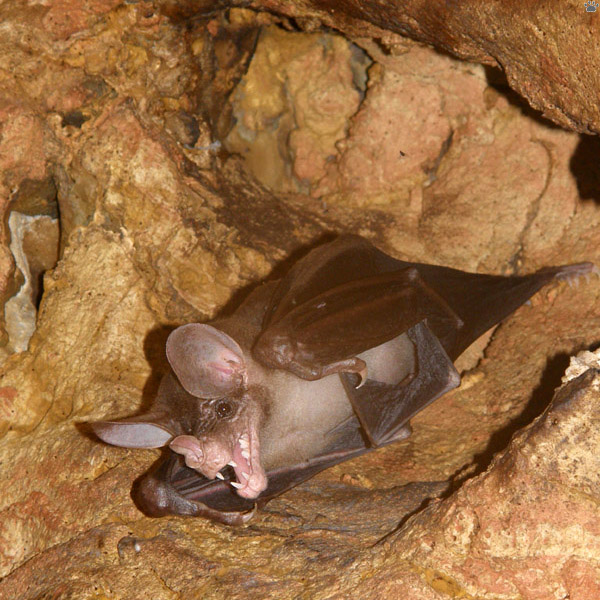
These bats are carnivorous, feeding on birds, rodent and even other bats. With regards to avian prey, this species prefers to hunt birds that weigh between 20 and 150 grams, sleep in foliage rather than in holes or burrows, and either roost communally or have a strong body odor. In one bat roost, the remains of 84 birds from 18 species were found.
Trivia question for Oct-18-2011
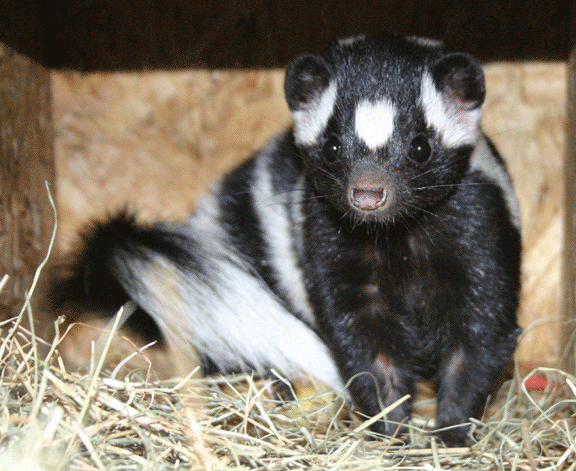
These guys are omnivorous and will eat small rodents, fruits, berries, birds, eggs, insects and larvae, lizards, snakes, and carrion. They have a keen sense of smell that helps them find grubs and other food.
Trivia question for Oct-17-2011
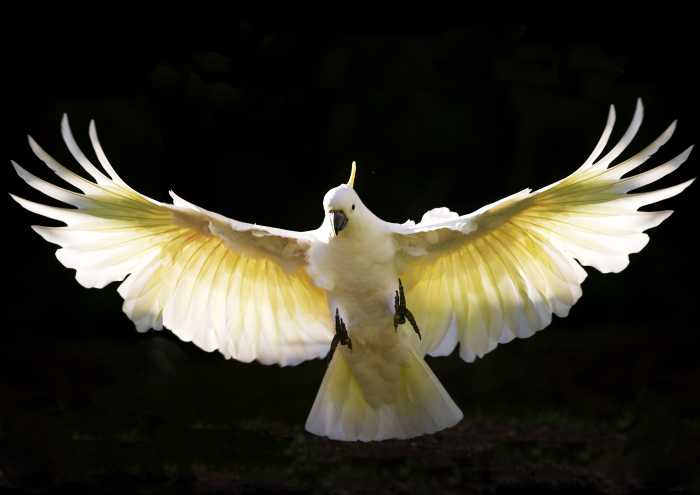
Their distinctive raucous call can be very loud; it is adapted to travel through the forest environments in which they live, including tropical and subtropical rainforests. These birds are naturally curious, as well as very intelligent.
Trivia question for Oct-16-2011
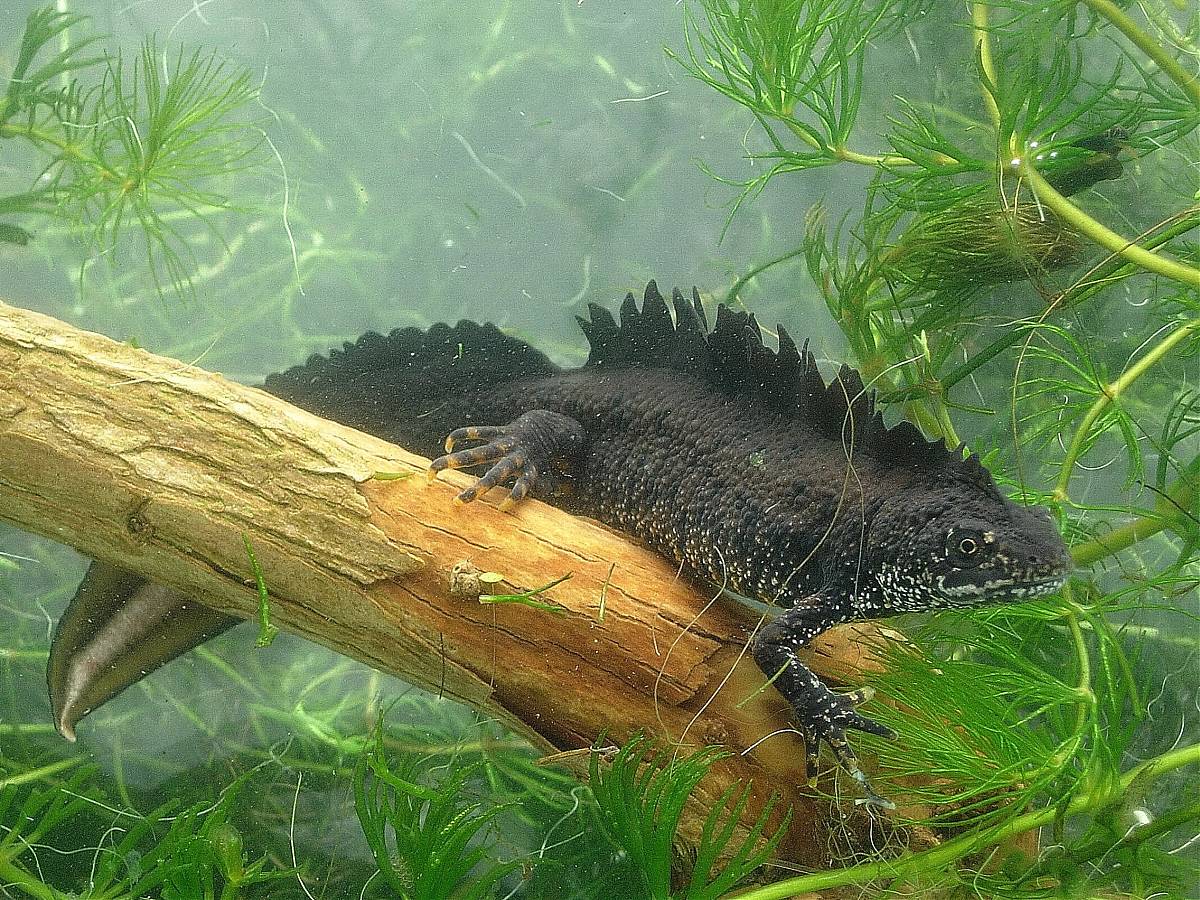
The larva of this species eats any animal that it can subdue, including other young of its own species which might be sharing the same pond.
Trivia question for Oct-15-2011
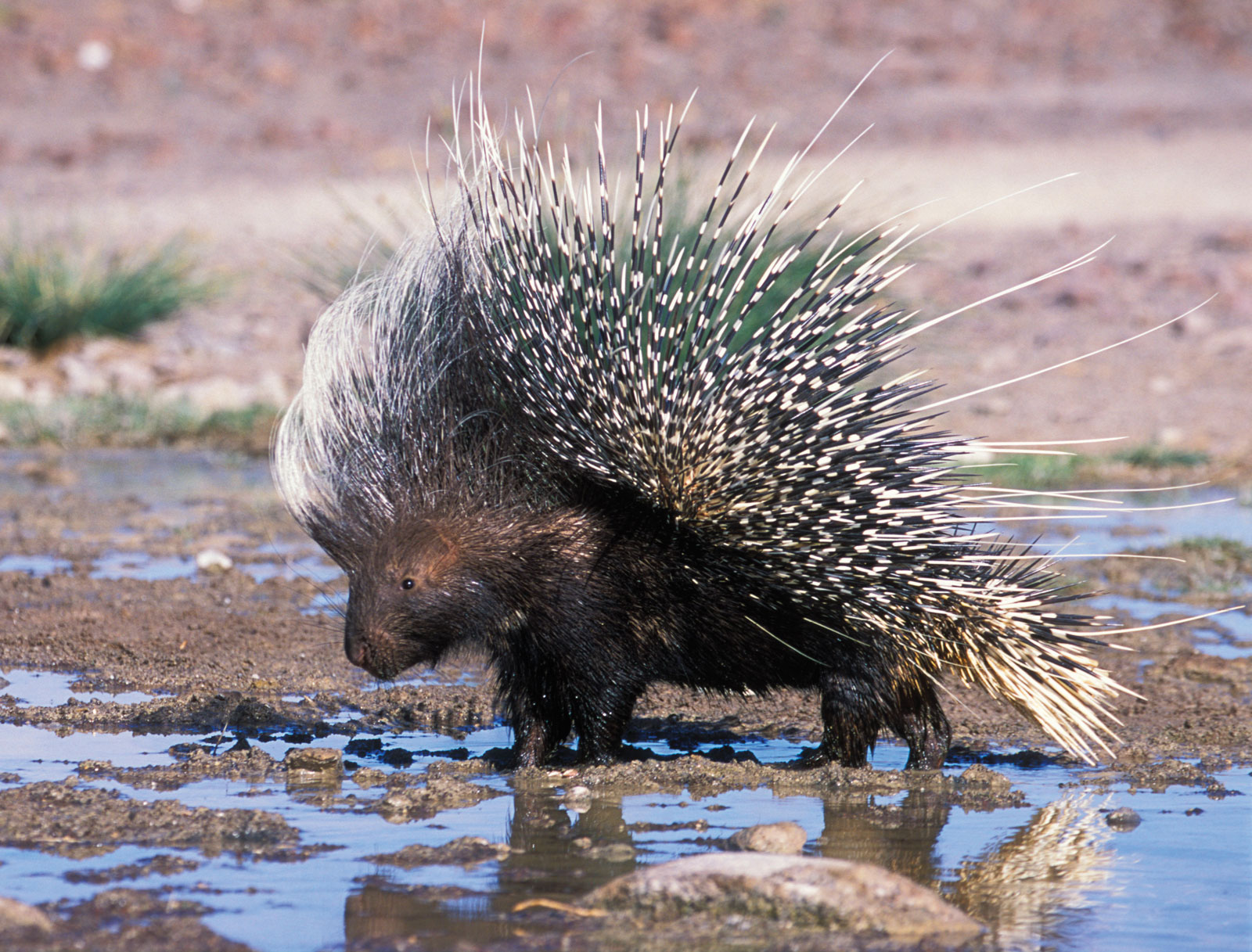
This rodent is nocturnal and inhabits rocky outcrops and hills. They shelter in caves or dens they dig themselves. Females are the biggest rodents in southern Africa, weighing more than 66 pounds and growing more than two feet long.
Trivia question for Oct-14-2011
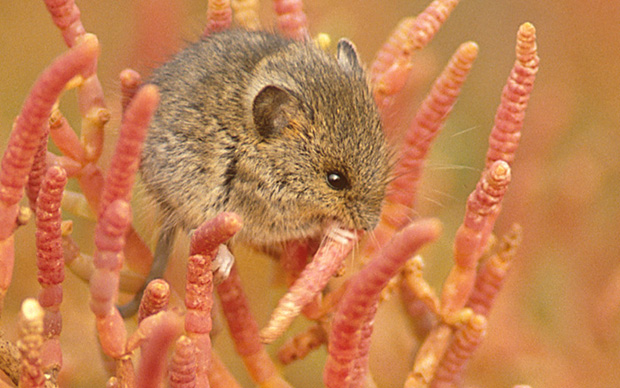
These guys are typically found in fields of cereal crops such as wheat and oats, in reed beds and in other tall ground vegetation such as long grass and hedgerows.
Trivia question for Oct-13-2011
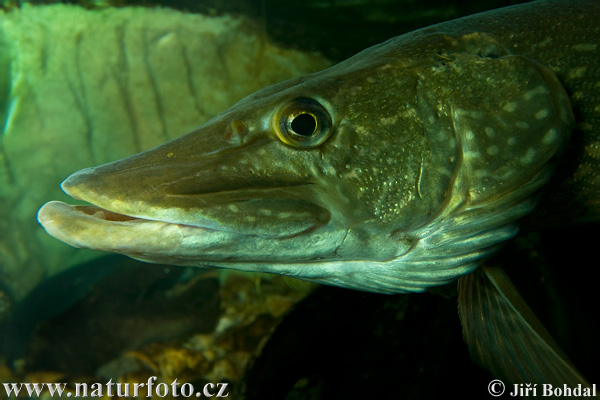
It eats mainly fish, but on occasion water voles and ducklings have also been known to fall prey to these guys. Some of these young fish have been found dead from choking on a similar size of one of their own species. They also feed on frogs, insects and leeches. They are not very particular and eat spiny fish like perch and will even take sticklebacks if that is the only available prey.
Trivia question for Oct-12-2011
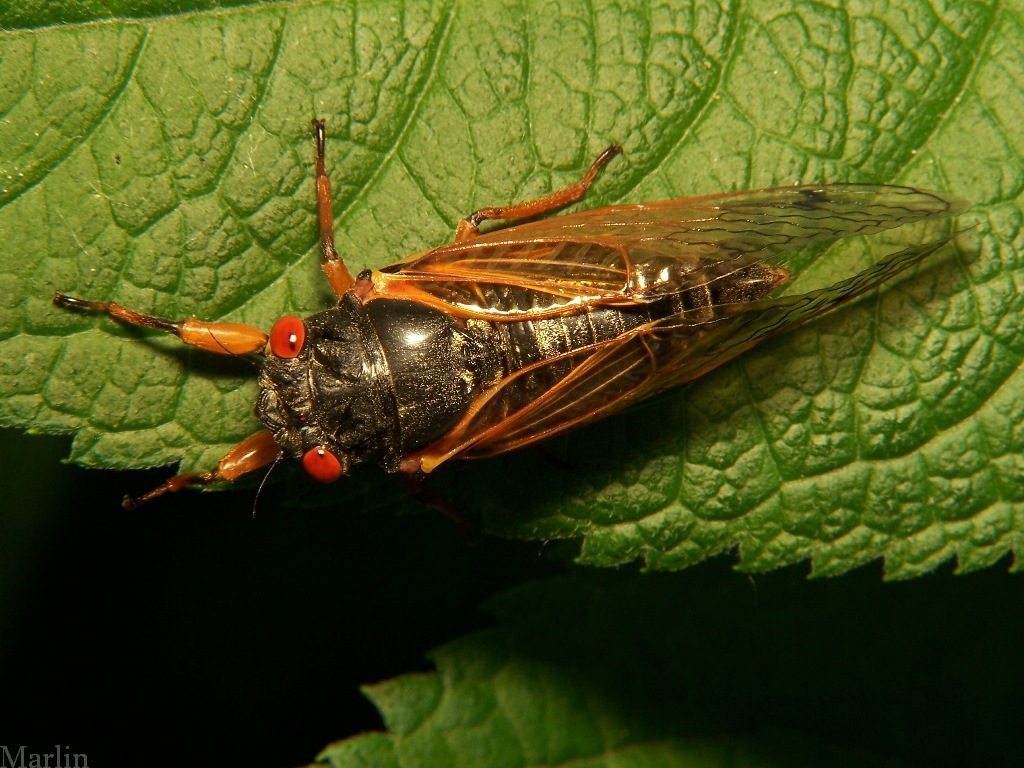
The nymphs emerge on a Spring evening when the soil temperature at about 8 inches depth is above 63 °F. In most years, this works out to late April or early May in far southern states, and late May to early June in the far northern states. Emerging nymphs climb to a suitable place on the nearby vegetation to complete their transformation into an adults.